Wagyu: A Stylish Handwritten Font for Modern Design Projects
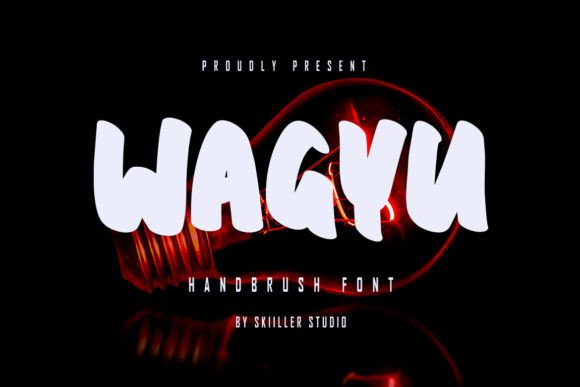
When it comes to typography, the right font can make or break a design. Wagyu is a modern, brushed handwritten font that’s gaining popularity among designers, brand creators, and digital artists. Its unique blend of strength and style makes it a versatile choice for a wide range of creative applications. Whether you're designing a logo, crafting a headline, or working on a visual identity, Wagyu offers a dynamic and confident look that adds urban flair to your work.
Understanding the Unique Characteristics of Wagyu
Wagyu stands out due to its expressive brushstrokes and natural flow. Unlike rigid, machine-made fonts, this typeface mimics the organic movement of a hand-drawn script. Each character is carefully crafted to convey energy and movement, making it ideal for projects that require a personal and artistic touch.
- Brushed texture: Adds a tactile, ink-like quality to the text.
- Dynamic weight: The boldness of the strokes gives it a commanding presence.
- Urban edge: Combines elegance with a modern, streetwise vibe.
These features make Wagyu a perfect fit for designs that aim to feel both professional and expressive. It bridges the gap between traditional calligraphy and contemporary design trends.
Who Can Benefit from Using Wagyu?
Wagyu appeals to a broad audience, from small business owners building their brand identity to graphic designers working on editorial layouts. Here are some professionals who can make the most of this font:
- Logo designers: For creating memorable, handcrafted brand marks.
- Social media creators: Ideal for quote graphics, banners, and stylized captions.
- Print designers: Works well in packaging, posters, and invitations.
- Web developers: Can be used for headings and visual accents to enhance user experience.
Its versatility allows it to be used across multiple platforms and industries, from fashion and lifestyle to food and entertainment.
Where to Use Wagyu for Maximum Impact
Wagyu shines in visual contexts where personality and presence are key. Here are some practical applications where this font truly stands out:
- Logotypes: Its bold strokes and distinctive texture make it a great choice for brand signatures.
- Headlines: Perfect for grabbing attention in digital or print media.
- Product packaging: Adds a premium, artisanal feel to labels and tags.
- Creative posters: Whether for events or promotions, Wagyu gives a modern and expressive edge.
Because of its strong visual identity, it's best used in short bursts—like titles or taglines—rather than long-form text. This ensures readability while preserving the font’s aesthetic appeal.
Strengths and Considerations When Using Wagyu
Like any design tool, Wagyu has its strengths and limitations. Understanding these can help you make informed decisions about when and how to use it effectively.
Strengths:
- Highly expressive and unique
- Excellent for branding and visual identity
- Works well in both print and digital formats
Considerations:
- Not ideal for long blocks of text due to its decorative nature
- May require additional spacing or kerning for optimal legibility
- Best paired with simpler sans-serif fonts for contrast and balance
Designers should also consider the context and audience. While Wagyu is modern and bold, it may not suit every brand or message. For example, formal or academic projects may benefit more from traditional serif fonts.
Real-World Applications of Wagyu in Design
Let’s explore a few real-world examples where Wagyu has been used successfully:
- A coffee shop logo: A local café used Wagyu to create a warm, handcrafted logo that feels inviting and authentic.
- A fashion brand tagline: A boutique clothing brand used the font in its social media graphics to convey a sense of confidence and style.
- Event posters: A music festival poster used Wagyu for the headline to reflect the energy and excitement of the event.
In each case, the font helped create a visual identity that was both modern and memorable. These examples show how Wagyu can be adapted to suit different industries while maintaining its distinct character.
How to Evaluate If Wagyu Is Right for Your Project
Before choosing a font, it’s important to assess how well it aligns with your project’s goals and tone. Here are a few questions to ask yourself when considering Wagyu:
- Does the font match the personality of my brand or message?
- Will it be used in a context where its bold style will stand out positively?
- Is it readable in the size and format I plan to use it?
- Have I tested it alongside other fonts for contrast and balance?
Many design platforms offer preview tools that allow you to test fonts before purchasing or implementing them. Taking the time to evaluate how Wagyu performs in your specific use case can help ensure a successful outcome.
Final Thoughts on Using Wagyu in Your Design Work
In the world of typography, Wagyu offers a compelling mix of strength, style, and modernity. It’s more than just a font—it’s a design element that can elevate your creative work and leave a lasting impression. Whether you're building a brand, designing a website, or creating visual content, Wagyu brings a confident and dynamic flair that few other fonts can match.
As with any design decision, the key is to use it thoughtfully and purposefully. When applied correctly, Wagyu can be a powerful tool in your creative arsenal, helping you communicate your message with authenticity and flair.