Unique Digital Skull Painting Art: An Evaluation
In the realm of digital design, the intersection of traditional artistic techniques and modern file formats has created a niche for assets that retain the soul of hand-painted work while offering the utility of digital files. Unique Digital Skull Painting Art represents this convergence. It is a specific type of digital asset characterized by its origin in freehand brush strokes, devoid of photographic references or artificial intelligence generation. For designers, artists, and brand managers, understanding the nature, application, and limitations of this art form is essential before integrating it into a project.
Defining the Art Form
Unique Digital Skull Painting Art is distinguished by its creation process. Unlike vector graphics which rely on mathematical paths, or stock photography which captures reality, this art style is born from raw artistic talent applied directly to a digital canvas. The composition is unrestricted, allowing the artist to focus on edgy, defined lines and lifelike hues without the constraints of realism found in photography. The result is a piece that embodies the power of the brush, capturing the texture and flow of paint in a way that mimics physical media.
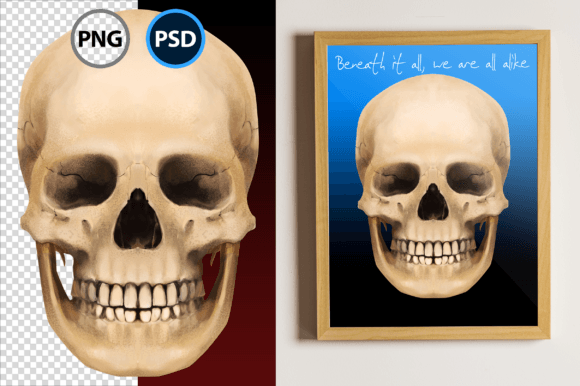
A defining characteristic of this specific asset is its presentation. It typically features a blank, transparent background. This technical choice is not merely aesthetic; it serves a functional purpose by engaging the user's imagination. By removing the background context, the artwork becomes a versatile element that can be layered over various textures, colors, and designs without requiring complex masking or isolation processes. The high-resolution nature of these files, often delivered at 300 DPI with dimensions such as 7500x10500 pixels, ensures that the intricate details of the brushwork remain sharp even when scaled for large-format printing.
Reasons for Interest and Application
Designers are increasingly drawn to Unique Digital Skull Painting Art for several practical reasons. The primary driver is the demand for originality. In a market saturated with AI-generated imagery and generic stock photos, a piece crafted entirely by human hands offers a level of authenticity that resonates with audiences seeking individuality. The "edgy" aesthetic inherent in skull motifs, combined with the organic feel of freehand painting, makes it particularly suitable for brands targeting youth culture, music festivals, streetwear labels, and alternative lifestyle sectors.
The versatility of the file formats provided—typically a combination of PNG and PSD—further enhances its appeal. The PNG format allows for immediate use in web design, social media graphics, and quick mockups. The PSD (Photoshop Document) format, however, unlocks deeper customization. With layers preserved, a designer can adjust specific elements of the skull, alter color palettes to match brand guidelines, or integrate the artwork into complex compositions without degrading image quality. This adaptability makes it a strong candidate for merchandise designs, such as t-shirts, hoodies, and posters, where the visual impact needs to be both striking and durable.
Benefits and Tradeoffs
When evaluating whether to incorporate this art style into a workflow, it is necessary to weigh the benefits against potential tradeoffs. The most significant benefit is the balance between high-quality resolution and creative flexibility. The ability to print at 300 DPI means the artwork is viable for professional print-on-demand services, ensuring that the fine lines and vibrant colors do not pixelate on physical products. Additionally, the transparent background streamlines the design process, reducing the time spent on pre-production editing.
However, there are considerations regarding file management and compatibility. High-resolution files, such as those sized at 7500x10500 pixels, require substantial storage space and processing power. Designers working on older hardware or within strict bandwidth limits may experience slower load times when manipulating these large PSD files. Furthermore, while the organic nature of the brush strokes is an asset for artistic projects, it may not align with brands that prioritize geometric precision or minimalist vector aesthetics. The "messy" or textured look of a painted skull might clash with a corporate identity that relies on clean, sharp lines.
Situations Where It Is a Strong Fit
Unique Digital Skull Painting Art is an excellent fit for projects that require a statement piece. It excels in scenarios where the goal is to stun or provoke thought. For instance, limited edition merchandise drops often benefit from the exclusivity and detail of hand-painted styles. The artwork's ability to serve as an impactful centerpiece makes it ideal for album covers, event posters, and packaging for luxury or niche consumer goods.
It is also well-suited for digital media applications where layering is key. Because the background is transparent, the skull can be superimposed over dynamic video backgrounds, animated web elements, or complex photo collages without losing definition. Designers looking to add a dash of individuality to a brand's visual language will find that the lifelike hues and defined lines provide a depth that flat vector icons cannot achieve.
When Alternatives May Be Preferable
Despite its strengths, this art form is not universally applicable. If a project requires infinite scalability without any loss of quality, vector-based illustrations are a superior alternative. While the high-resolution raster files of Unique Digital Skull Painting Art are sufficient for most print and screen uses, they cannot be scaled beyond their native resolution without degradation. Vector graphics, conversely, maintain crisp edges at any size.
Additionally, if the project timeline is extremely tight and requires rapid iteration across multiple variations, the complexity of a detailed PSD file might slow down the workflow compared to using simpler, template-based assets. For brands operating in conservative industries such as finance or healthcare, the edgy, skull-centric theme may be inappropriate regardless of the artistic quality. In such cases, more neutral or abstract imagery would be a safer and more effective choice.
Practical Decision-Making Insights
To determine if Unique Digital Skull Painting Art aligns with your goals, consider the following factors:
- Target Audience: Does your audience value artisanal, hand-crafted aesthetics? If they prefer sleek, machine-perfect designs, this style may not resonate.
- Output Medium: Will the final product be printed at large sizes? Ensure your workflow supports the handling of large 300 DPI files to maintain quality.
- Customization Needs: Do you have the skills to edit PSD files? If you only need a static image, a high-quality PNG may suffice, but if you need to tweak colors or layers, the PSD is essential.
- Brand Alignment: Does the "edgy" and "mystique" associated with skull imagery fit your brand voice? Authenticity is key; forcing a mismatched aesthetic can dilute brand identity.
Ultimately, the decision to use this art form should be driven by the desire for a unique, human-made touch in a digital landscape. By understanding its capabilities and limitations, creators can leverage the power of freehand brush strokes to build compelling visual narratives that stand out in a crowded marketplace.