Bithon: A Versatile Script Font for Creative Typography
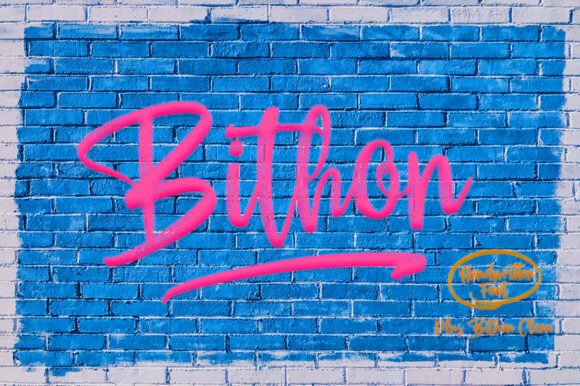
Bithon is a relaxed, hand-brushed script font that combines a casual aesthetic with detailed brush stroke textures. Designed to bring a sense of authenticity and warmth to typographic work, Bithon appeals to designers looking for a natural, handcrafted appearance in both digital and print media. The font’s brush-style letterforms are carefully textured to mimic the subtle imperfections of real brushwork, making it a popular choice for projects that require a personal or artisanal touch.
Understanding the Style and Structure of Bithon
Bithon features a flowing, cursive design that mimics the rhythm of handwriting, enhanced by the texture of brush strokes. Unlike rigid, mechanical fonts, Bithon offers a more expressive and organic feel. The variation in stroke thickness and the presence of slight irregularities in the letterforms contribute to its handcrafted appeal. This makes it especially suitable for designs where a sense of individuality and warmth is important.
The font is often offered in two variations: Bithon and Bithon Brush. While Bithon provides the foundational script style, Bithon Brush enhances the design with more pronounced brush textures, giving the text a painterly quality. These variations allow designers to choose the level of texture and visual interest that best suits their project.
Why Designers Consider Bithon for Their Projects
Designers often look for typefaces that can convey a specific mood or style without compromising legibility and adaptability. Bithon stands out in this regard due to its unique combination of readability and expressive design. It is especially well-suited for creative industries such as branding, packaging, and editorial design, where personality and visual appeal are key.
Its versatility also makes it a practical choice. Whether used in a logo, a wedding invitation, or a product label, Bithon can be scaled and styled to fit a variety of contexts. This adaptability is one of the main reasons designers may choose Bithon over more stylized or niche script fonts that may not perform as well across different applications.
Key Benefits of Using Bithon
- Expressive Aesthetic: The brush stroke textures add visual depth and character to the font, making it ideal for designs that require a handcrafted look.
- Versatile Application: Suitable for both print and digital use, Bithon works well in titles, signatures, branding materials, and signage.
- High Readability: Despite its decorative style, Bithon maintains good legibility, especially at larger sizes.
- Multiple Variations: With options like Bithon Brush, designers can choose the level of texture and style that aligns with their design goals.
Considerations and Potential Tradeoffs
While Bithon offers many advantages, it's important to consider how it fits within the broader context of a design project. Because of its brush-textured style, it may not be the best choice for formal or minimalist designs where clarity and simplicity are prioritized. In such cases, a cleaner sans-serif or serif font may be more appropriate.
Additionally, Bithon's detailed textures can sometimes reduce legibility at smaller sizes. This makes it less suitable for long blocks of body text or situations where small font sizes are necessary. Designers should test the font in the intended context before finalizing their choice.
When Bithon Is a Strong Fit
Bithon shines in design contexts where a personal, artistic, or expressive tone is desired. It works particularly well in:
- Wedding Invitations: Its elegant, flowing script adds a romantic and refined touch to stationery.
- Brand Logos: The textured brush strokes help create a distinctive and memorable brand identity, especially for boutique or artisanal brands.
- Packaging and Labels: Adds a handcrafted appeal that resonates with consumers looking for authenticity.
- Posters and Promotional Materials: Offers visual interest and helps draw attention without overwhelming the design.
When to Consider Alternatives
While Bithon is versatile, it may not be the best solution for every project. Designers should consider alternative fonts when:
- Formality is Required: For corporate or academic materials, a more traditional serif or sans-serif font may be more appropriate.
- Legibility is Critical: In cases where the font must be readable at small sizes or in low-resolution formats, a simpler script or sans-serif font might be a better choice.
- Minimalist Aesthetics Are Preferred: If the design leans toward minimalism or clean typography, a more restrained typeface may align better with the overall visual direction.
Making an Informed Decision with Bithon
Choosing the right font involves more than just aesthetics—it's about aligning the typeface with the message, audience, and medium. When evaluating Bithon, consider the following factors:
- Project Tone: Does the design require a casual, artistic, or elegant feel? Bithon excels in expressive and creative contexts.
- Application Context: Will the font be used in titles, logos, or body text? Bithon is best suited for headlines and accents rather than extended reading.
- Target Audience: Does your audience respond to handcrafted or modern design styles? Bithon may resonate more with audiences seeking authenticity and visual richness.
- Technical Constraints: Consider the format and platform where the font will be displayed. Test Bithon in different sizes and resolutions to ensure optimal legibility.
Conclusion
Bithon is a compelling script font that brings a unique blend of texture, personality, and readability to design projects. Its hand-brushed aesthetic, available in variations like Bithon Brush, makes it a versatile option for designers seeking to add warmth and individuality to their work. However, like any design element, it should be chosen with care based on the specific needs of the project.
For those exploring script fonts, Bithon offers a balanced combination of visual appeal and usability. By understanding its strengths and limitations, designers can make informed decisions about whether Bithon aligns with their creative goals and technical requirements.